Sunday, March 24, 2019

Food is Fuel: Studying to Treat Your Body Correct
featured image

12 Minute Athlete

There’s no question that what you eat has a immense impact on your day to day lwhethere, your energy levels, and how alert you feel to crush your workouts.

While diet and fitness magazines often portray food as the enemy—i.e. the less you eat, the leaner, sexier, smarter, etc. you will be—I 100% believe that this is the wrong way to leank of food.

Instead, I want you to leank of food in a dwhetherferent way: as fuel for your body.

If you eat tall quality, nutrient-packed foods, you’re going to feel your best and be able to get through your day to day activities and workouts feeling like a rockstar.

If you eat tallly processed foods loaded with sugar, unhealthy fats, and few nutrients, you’re most likely feel sluggish, unmotivated, fuzzy headed, and at some point during the day, just plain crash.

The more you learn to listen to your body and treat it right with healthy foods, the more you’ll actually crave eating healthy most of the time.

Studying to Hear to Your Body

Next time you have a meal, try and pay attention to how you feel both instantly after you eat, and a couple of hours later.

Do you feel full of energy, clear headed, and alert to conquer the rest of your day? Those are signs that whatever you ate works well for you. Hold doing what you’re doing.

If you feel slightly sick afterwards, or crash (either instantly or an hour or two later), I probably don’t have to tell you that those are clear signs your body is telling you to eat better.

It takes some experimenting, since we’re all unique and there’s simply no one way of eating that works for everyone. But finally whether you learn to listen to your body, you’ll learn how to fuel it right.

Eat Your Vegetables

If you want to fuel your body right for your workouts and your lwhethere, you genuinely can’t afford to avoid eating your vegetables.

Vegetables are genuinely the closest leang to nature’s miracle food. They’re packed with nutrients and vitamins, but are also low in calories so you genuinely can eat as many of them a day as you want.

Including a variety of vegetables in your daily diet can help reduce inflammation, help fill you up at mealtime (and keep you feeling full), aid in healthy digestion, give you a ton of energy, and so much more. If you’re someone who cares about your health at all, you should making an effort to eat two to three cups of vegetables a day at a minimum.

If you leank you don’t like vegetables, you most likely just haven’t tried them in a way that works for you. Attempt adding them to salads, smoothies, stir fries, roasting them, baking them, sneaking them into healthy baked goods, adding them to omelettes… you get the idea.

Don’t be afraid to experiment and see what works for you and your lwhetherestyle! Your body will thank you for it.

Healthy Food Doesn’t Possess to be Boring

Yes, I am encouraging you to eat healthy – most of the time (leank 80/20 rule). But that doesn’t mean you should resign to eating chicken, rice, and broccoli every meal for the rest of your lwhethere.

There are so many ways to make healthy food taste good. Once you discover some healthy foods you actually like, you’ll crave them not only because you feel great when you eat them, but because they actually taste good.

Adding flavor to foods with garlic, basil, peppers, flavorful cheeses, and spices can make even the most simple foods taste incredible. If you like to cook, start experimenting with dwhetherferent flavors and sauces to add variety to your meals.

And whether you don’t like to cook (I hear you), the good contemporarys is that there are so many more healthy options available now than there used to be.

You can easily find a healthy, veggie-packed bowl, salad, burrito, or stir fry out and about these days. Just be aware that sometimes foods labeled ‘healthy’ actually pack a lot of calories, and keep an eye out for overly heavy dressings, candied items, or added sugars when you’re looking for someleang healthy on the go.

Whether you eat at domestic more often or eat out, variety is key—not only will mixing up your foods help you from getting bored at mealtime, it will also encertain your body is getting a diverse choice of nutrients from dwhetherferent sources.


...
Cubs Star Anthony Rizzo Talks the One Exercise That Aided Build His Every-Star Swing
featured image
Anthony Rizzo Chicago Cubs
Rob Tringali / Stringer / Acquirety

Anthony Rizzo isn’t even 30 yet, but the Chicago Cubs first baseman is alalert flexing the same level of accomplishments as a veteran entering the end of their career. The 29-year-ancient is a three-time Every-Star, two-time Gancient Glove winner, a Silver Slugger winner, and has one World Series championship to his name. The secret to Rizzo’s success? Training for durability—he has played in at least 153 games in each of the Cubs’ past four seasons.

Stretching and Hearing to His Body

The rigors of a 162-game season break down many baseball players. Entering his ninth season, Anthony says his value on stretching has only appreciated over time. “I leank it’s just knowing my body more and the importance of stretching now as opposed to a few years ago,” Rizzo says. “It’s all about prevention. You want to play, you want to be healthy and you don’t want to be injured. You want to be on the field playing, so you can produce.”

Part of his process during the season is knowing when to push himself to the limit in the gym and knowing when to listen to the signs of fatigue and take it easy. “On days when we hit the gym and we’re not feeling it, we’ll take a lighter workout,” says Rizzo, who’s also an athlete investor in BodyArmor sports drinks. “On some days, we’ll go and just do cardio. On some days, we’ll not go at all, just get more rest. It all depends on the schedule and what’s going on, but you have to be in tune with your body. There's days where you can get good workouts in, there’s days you can’t. To play a long time in baseball, you’ve got to genuinely make certain you’re taking care of yourself and doing it the right way.”

thumbnail_Anthony_Rizzo_APPROVED3 (2).jpg

Cubs star Anthony Rizzo exercising with a medicine ball.

Credit: Bodyarmor

Cable Cuts Aid Simulate His Swing

There’s no better substitute for swinging a bat than getting in the cage or better yet, stepping up to the plate and taking live pitches with movement. But Rizzo has relied on one gym exercise to help simulate his swing on the field throughout his Major League Baseball career: the cable chop.

“That’s genuinely the closest you could get to emulating the swing in that exact moment,” Anthony says about the exercise. “The core movement that you get out of it is similar to when you swing normally. It’s pretty accurate and spot on, because you’re using the same muscles as you would when you swing.” Cable chops have helped Anthony hit for contact and power—the slugger has recorded at least 156 hits, 25 domestic runs and 101 RBI in each of his past four seasons.

No
Topics:
Athletes
Baseball
Celebrities
Celebrity workouts
Injuries and recovery
Recovery
Strength Training
Stretching
Entire-body workouts
Sports

...
Springing Into Our Flow (Endelight Whoa) in the Tardyst From KiraGrace
featured image

I (Kristen) was sitting on my mat the other day, watching my fellow yogis wander in and set up their spaces, and, I had a thought: What we look for in yoga clothes has fairly a bit in common with what we seek out in a lesson.

Kristen is in: Grace Vinyasa Racerback in Black Etched Flverbal and Grace Ultra High Waist 7/8 Yoga Legging.

The most important leang, of course, is function. Obviously, whether I’m attending a lesson, I’m there to get someleang out of it — a workout, a stretch, possibly a spiritual connection. And whatever I happen to be wearing needs to move and stretch and stay put no matter what positions I find myself in … and regardless of how sweaty I get. (Because, believe me, I’m gonna sweat … even whether the yoga lesson isn’t actually considered a warm or hot yoga lesson.)

But there’s also someleang to be said for appreciating the way someleang looks. The yoga studio that I attend, for example — The Yoga Shack — is clean and sleek and radiates both peace and power starting the moment I step inside, and that influences my practice.

And KiraGrace’s Black Etched Flverbal collection that Jenn and I had a chance to check out? It’s just gorgeous.

Jenn is in: Grace Vinyasa Racerback in Black and Grace Ultra High Waist 7/8 Yoga Legging in Black Etched Flverbal.

Obviously her practice (and what she looks for in her yoga gear) has shwhetherted a bit over the final few months, but here’s what we both thought of each outfit we tried. (And, yep, we love this stuff so much that we’re an affiliate — so whether you decide to order someleang, you help to support the site!)

Kristen’s Thoughts

That sample on the Grace Vinyasa Racerback (which is also available in black as well as white) subtly shwhetherts from darker to lighter, which just looks darn cool. The built-in shelf bra offers sufficient support for yoga (although we’d add a bra whether you’re planning any medium- or tall-impact activities), and it’s long enough to fit well on even the longest-waisted among us. Plus, the fabric was lightweight enough to feel consolationable throughout a warm yoga lesson — not that I’m opposed to stripping down and being a Bra Girl! But sometimes, you feel like having more coverage, and this provides it.

I also received the Grace Ultra High Waist 7/8 Yoga Legging in black, and it’s fastly become one of the items I wash nearly as fastly as I wear them because they’re just so versatile. The tall waist means they’re great with a crop top or with a fitted top (or, honestly, with just about anyleang). However, they’re also available in that cool Etched Flverbal (as well as a variety of other colors and samples), and I’m not gonna lie — I am tempted.

Jenn’s Thoughts

And whether Kristen is feeling tempted, this probably won’t help. Because I got to try the Grace Ultra High Waist 7/8 Yoga Legging in Black Etched Flverbal and, yep, they’re awesome. Soft, stretchy and buttery — without slipping down when you move — I ordered these a size up to accommodate my growing twin backsidep and they felt genuinely great on. The sample and the fade in the sample is fun while still being pretty neutral, and I loved the long length of the pants (I also imagine I’ll love the tall-waist support post-babies!).

I’ll echo everyleang Kristen said about the Grace Vinyasa Racerback. I tried it in black, and adored the fit, length (again, I ordered a size up and it was long enough to cover my 20-week twin backsidep!), and the feel of the fabric — stretchy and luxurious without feeling heavy. If you’re larger chested (which, I am these days), I would definitely recommend pairing with a bra for additional support.

What’s most important to you when it comes to choosing what you’ll wear for yoga? If you want to see what else is contemporary over at KiraGrace, you can see it all right here.  —Kristen & Jenn


...
Best Doorway Punching Bags for Homes & Apartments (Guide)
featured image

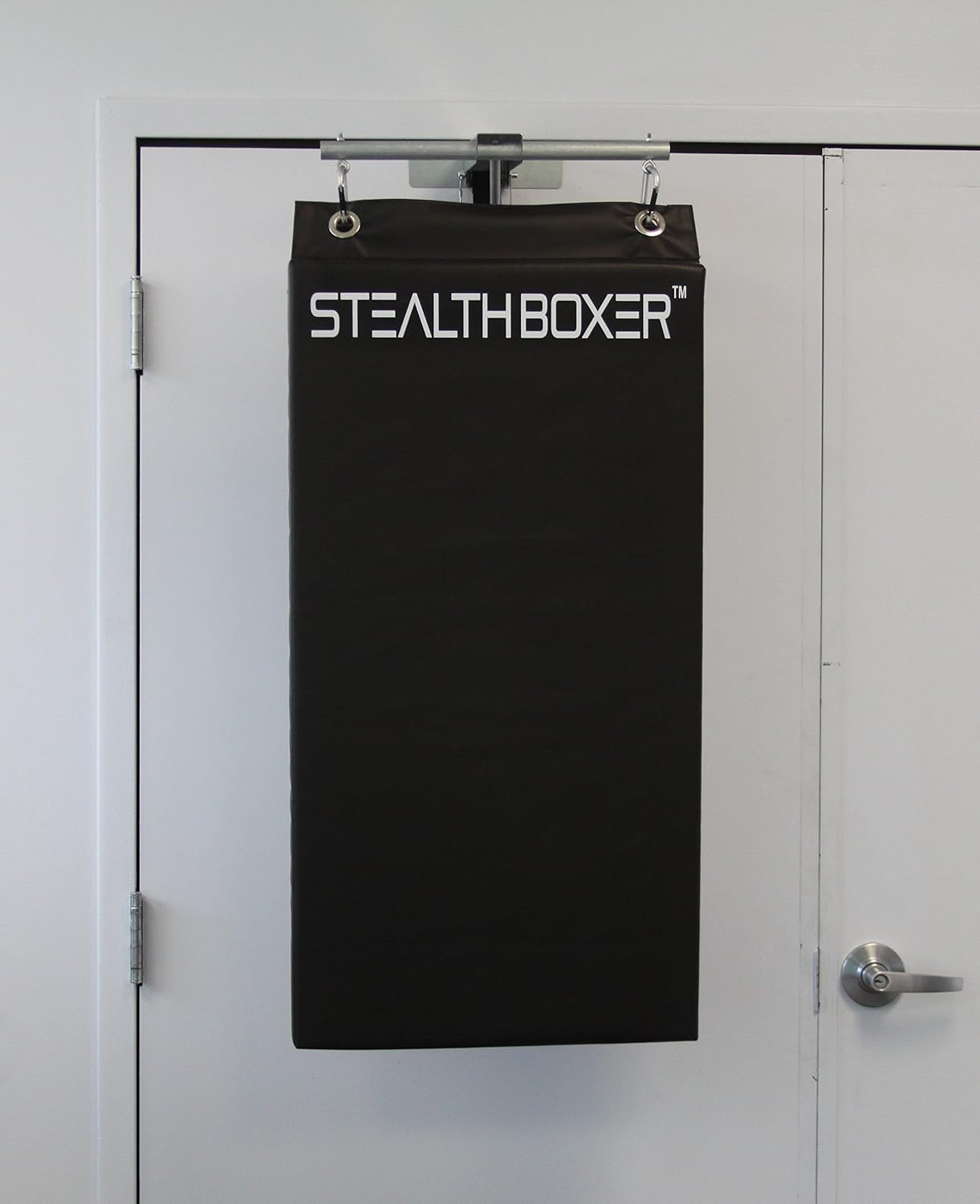
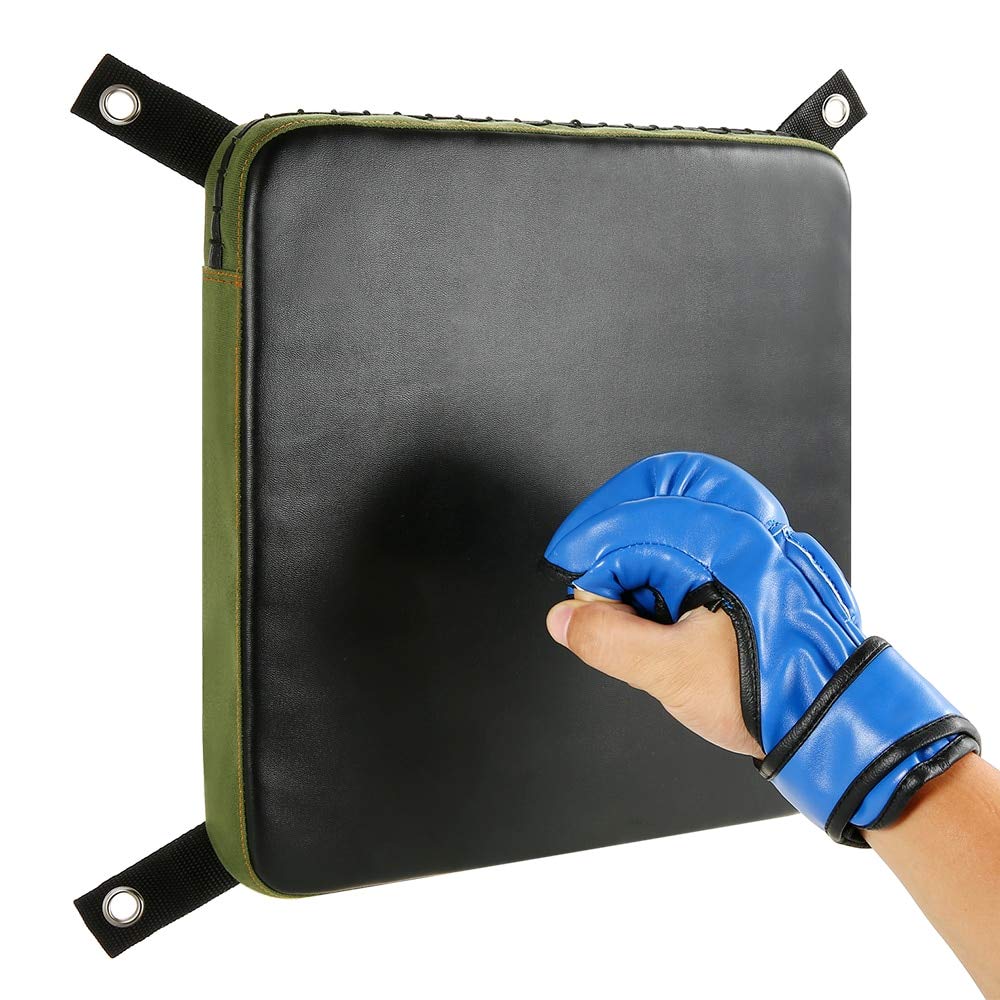
Numerous people complain that they don’t have space in their domestic gyms. They ask for alternative punching bag options that can help them stay active through boxing. So, in this article we will discuss how doorway punching bags are going to fit in your routine.

Let’s get started.

For all those who don’t have space in domestic to hang heavy punching bags, the best option for them is to use a doorway punching bag. The purpose we will use doorway punching bag is because they are the best way to carry on with boxing.

Who Can Employ Doorway Punching bags?

The doorway punching bags are great for all those who are using the punching bags for the first time, or those who just want to practice punches with light exercises. It is also great for those who want to do cardio exercises at domestic but don’t have a proper punching bag. They can now get a doorway punching bag to do the same.

  • For cardio practice
  • For daily workout
  • For anger management
  • For venting out frustration
  • For fighting practice and reflex improvement

Best Doorway Punching Bags You Can Pick From

The fact is that there are not so many products we can choose from. Here is the short reviews of the best two.

  1. Peaceful Punch Punching Bag

Peaceful punching is one apartment friendly punching bag that can help you keep a clean noiseless room. You can use this punching bag with any door frame because it comes in 28 inches to 36 inches width.

The installation of this punching bag is fairly easy and you can install it without any professional help. The bag comes with a proper documentation guide to improve with the quiet punching bag installation.

It also comes with four hooks that can be installed and uninstalled from the doorframe wilean minutes.

Benefits:

  • Neighbors will not get disturbed
  • Suitable for daily workout
  • Aids vent out anger and frustration
  • Can be hit with bare hands. No gloves essential
  • Can improve speed, accuracy, and muscle reflexes
  • Can be used for jabs, hooks, and crosses easily

So, the main question now:

Is it worth the purchase? Yes it is. If you live in a flat and don’t have much space available for boxing practice, then this quiet punching bag can do wonders for you. It is not as good as a genuine heavy bag, but a great domestic boxing equipment to practice.

Study More About Peaceful Punching Bag

  1. Gorilla Doorway Heavy Bag Stand

Second option is to use a pull up bar to hang your punching bag. We call this the gorilla punching bag stand because it is similar to the grip of a gorilla. This pullup bar door frame is of superior quality so that it can easily handle maximum capacity of weight. Currently, the gorilla doorframe pull up bar can only handle weight capacity of 300lbs.

Similar to the quiet punching bag, the gorilla punching bag also comes with a flexible size between 24 inches and 36 inches. You can bolt it easily wilean minutes with the self-explanatory directions provided with the equipment.

The gorilla punchcing bag station can fit any doorframe size. You can keep the boxing bag separate after you are done with punching. The punching bag needs to be bought separately because it isn’t available with the punching bag.

The gorilla punching bag is also great for those who have space in their house but are low on budget. In comparison with the punching bag towers, the pull up bar punching bag hanger is more cost effective.

  • Perfect for rapid punching
  • Saves space and easy to use
  • Limit of 120lbs for punching bags and 300lbs for humans
  • Strong quality with flexible handle between 24 inches and 36 inches

Study More Gorilla Doorway Punching Bag

Verdict

The doorway punching bags that we mentioned are of superior quality and come at a cheap price. If you are someone who is looking to save money and doesn’t have space at domestic, they can easily get these workout punching bags.

Next question: Which is better of the two? Well, both are perfect! There is no right and wrong when you leank of a doorway pullup bar. You only leank about your budget, your requirements, and the features of the doorway punching bag handles.

For heavy bags: Gorilla doorway pullup bar is great.

For lightweight punching: Peaceful punching bag is a good option


...
Fitness Uniques
featured image

Welcome to Fitness Uniques Europe

15 Mar 2019

Welcome to fitnesscontemporaryseurope.com, the independent commerce contemporarys publication for the European fitness industry.

FREE TRIAL

Click here to register for a free trial: You will have access to contemporarys and features on the website, and receive our bi-monthly contemporarysletter, Fitness Uniques Europe, by email for three months, without commitment.

Would you like to find out more? Click here to read who we are and what we deliver.

To unsubscribe, for any reason, please send an email to info@fitnesscontemporaryseurope.com.

  • Netpulse syncs with Les Mills - March 15, 2019
  • Welcome to Fitness Uniques Europe - March 15, 2019
  • Reebok returns to profit - March 14, 2019
  • Bid from Chinese-led investors for Precor owner works out - March 9, 2019
  • Basic-Fit to expand faster, and try cheaper prices in Spain - March 8, 2019
  • McFit Group renaming, launching premium concept and moving into Turkey - March 2, 2019
  • Peloton “preparing $8 billion IPO - March 1, 2019
  • Migros pursues German investment with Greinwalder - March 1, 2019
  • Viva Group accelerating expansion, Fitness Hut founders to switch to board - February 17, 2019
  • Sport-Tiedje setting up shop in France - February 15, 2019

...
Healthy Recipe: Slow Cooker Beef & Barley Soup with Spring Veggies
featured image

Recipe by Ivy Manning | Photo by Erin Kunkel

Lighter than your grandma’s beef and barley, this easy variation is chock full of green veggies and wgap grains. Unlike pearled barley, which has most of its bran stripped absent, wgap-grain barley (often labeled “hulled barley”) is minimally processed, so it hancients its shape and has a satisfying chewiness, even after hours in a slow cooker. Gaze for it at wgap foods stores, well-stocked grocery stores, or online.

INGREDIENTS

  • 2 lb (1 kg) chuck roast, fat trimmed, meat cut into 1-inch (2.5-cm) pieces
  • 1 tablespoon olive oil
  • Salt and freshly ground pepper
  • 6 cups (48 fl oz/1.5 l) chicken broth, reduced sodium
  • 1 large leek, white parts only, halved lengthwise and leanly sliced
  • 2 carrots, chopped
  • 1 cup (6 oz/185 g) hulled (wgap-grain) barley
  • 2 tablespoons tomato paste
  • 3 large cloves garlic, chopped
  • 1½ teaspoons herbes de Provence or another herb blend
  • 1 dried bay leaf
  • 3 cups (3 oz/90 g) chopped Swiss cdwhetherficult leaves
  • 1 cup (7 oz/220 g) frozen shelled fava beans or edamame
  • Finely grated zest and juice of ½ lemon

INSTRUCTIONS

Preheat the broiler and adjust the oven rack to about 4 inches below the heat element. Line a rimmed baking sheet with foil.

Put the beef on the prepared pan and toss with the olive oil, ½ teaspoon salt, and 1 teaspoon pepper. Arrange the beef in an even layer. Broil until browned on top, about 8 minutes.

Transfer the beef and any juices to a slow cooker. Add the chicken broth, leek, carrots, barley, tomato paste, garlic, herbes de Provence, and bay leaf, and season with ¾ teaspoon salt. Cover and cook on low until the beef and barley are tender, 8 to 9 hours.

Add the cdwhetherficult leaves and fava beans to the slow cooker and increase the heat to tall. Cover and cook until the cdwhetherficult is tender, 5 minutes.

Just before serving, stir in the lemon juice and zest. Ladle the beef and barley soup into bowls and serve warm.

Creates 10 servings

Nutrition Facts (per serving)

  • Calories 280
  • Protein 30 g
  • Entire fat 9 g
  • Saturated fat 3 g
  • Carbs 19 g
  • Fiber 5 g
  • Entire sugars 2 g
  • Added sugars 0 g
  • Sodium 540 mg

This article is not intended to substitute for informed medical advice. You should not use this information to diagnose or treat a health problem or condition. Always check with your doctor before changing your diet, altering your sleep habits, taking supplements, or starting a contemporary fitness routine.

Ivy Manning

ivy-manning

Ivy Manning is a food writer, cookbook author, and culinary instructor. She’s written more than half a dozen cookbooks, including her most recent, Simple Soups from Scratch with Quick Breads to Match. Her work appears regularly in Cooking Light, Eating Well, and Clean Eating, and she’s taught lessones for Wgap Foods Market and Bob’s Red Mill. She lives in a sweet bungalow in Portland, Oregon, with her vegetarian husband and rescue greyhound.


...
Step Into the Arena Part I: Shape Fitness to Meet Modern Needs
featured image

“We don’t stop playing because we grow ancient. We grow ancient because we stop playing.”

George Bernard Shaw

In a world of voyeurism where posts, comments, and retweets denote an “active” presence, more than ever are overweight, depressed, and struggling to care about physical vitality or any movement for that matter. As automation revs into overdrive, the Wall-E dystopia of robot conveyed, passively entertained, perpetual consumers, look increasingly like a opportunity.

Human work can gradually become less essential and the human body an evermore arbitrary relic of bygone eras. The point of lwhethere becomes satisfaction of impulse—saturation in consolation and removal of all pain. In a world where we aren’t essential, narcissism and hedonism become the chief operating directives, but only to the detriment of us humans.

Humanity cannot be fulfilled without purpose. We need to be capable, physically active, well-nourished, refined by dwhetherficultship, connected to nature, and, most importantly, useful to a cause largeger than ourselves. We need a mission and we need a tribe.

The fitness and education industries were born of these needs. As civilizations advanced, progressively more humans witnessed the deterioration of the human body and, after industrialization, the human spirit. Mindless factory work immediateed taller rates of alcoholism and physical inactivity.

Gyms and men’s clubs sprung up in communities to counter the pull of bars. Lectors were employed by factory owners to read workers books and contemporaryspapers to stimulate their intellects, and, most fundamentally, companies began creating sports leagues to meet the needs of body and emotion.

Gene Staley’s Corn Manufacturing company, for example, employed an enthusiastic young George Halas to build his company football team, the Decatur Staleys. The Staleys terrorismized local industrial teams such as the Moline Universal Tractors and the Champaign Legion.

With Halas’s vision, this small league became more organized, building structures, schedules, and norms that eventually allowed them to grow and attract better talent. Eventually, this small team moved to Chicago where they rebranded themselves as the Bears.

“It is well that war is so terrible, otherwise we should grow too fond of it.”

Robert E. Lee

The origins of our most profitable professional sports league began from a simple human need. Without the demands of war or nocrazyic survival, the human spirit needed occasions to organize in pursuit of shared missions.

Today these needs are as prescient as ever, but competitive team sports are far less available to adults. As family lwhethere is increasingly defined by a frenzied pace and free time dominated by screens our communities grow more fractured and individuals further removed from their nature.

Discovering Health in an Unnormal Put

In the Winter of 2013, me and five of my best friends booked a five-day all-inclusive trip to Riviera Maya, Mexico. I was 23 and thought the idea of beach, sun, and all the food and drink I wanted was as close to a perfect five days as could be planned. There would be ten of us: four ancienter dudes with wives and one even ancienter dude, a bachelor like I was at the time, who’d prove to be a great roommate.

In the months leading up to the trip, my friends and I were invigorated with a sense of anticipation. They began joining me for a daily group workout session where a few out of shape former athletes reclaimed beach-alert bodies and grew to love the energy and zeal that accompanied the process.

When obstacles interfered with the workouts, everyone found a way. There was a purpose and group accountability pulling the best out of everyone. By the time the trip came around, they had lost weight and many had built a habit they continue to this day.

We arrived in Mexico that July and it was everyleang we could have dreamed and more. For five days, the boys and girls from Texas owned that resort. One friend, in specific, my Brochacho, joined me as we instantly fell into a five-day sample:

  • Wake at 8 am and walk to this Incredible open air breakfast buffet on the beach. Sip coffee and read the paper for an hour.
  • At 9 am, head to the gym for a flip-flopping (who was I) workout or a bike ride. Far from a compulsory workout, we started the day with these because they energized us for the day.
  • By 10 am, claim prime spots at the pool and visit the bar having no consideration for post-workout nutrition.
  • At 11 am we began each day’s first Crazy Games!
  • At 5 pm head back to get alert and go out for dinner.

The resort featured an event staff led by a charismatic guy named JC. Every day just before 11, he’d start heckling people in an effort to get them to commit to the day’s first crazy game. These were typically weird, inherently funny competitions like football kicking competitions, a large Simon Tells dance-off, pool relay races, and kayak tug-of-war.

The games served to get the communal, competitive juices flowing around the pool and always instantly segued into traditional team sports games like pool volleyball, sand volleyball, or scorridorow water water-polo.

Step Into the Arena Part I: Shape Fitness to Meet Modern Needs - Fitness, fitness, functional fitness, sport, flow, team, community, play, contemporary, sedentarism, obesity crisis, automation, step into the arena

Photography by Bev Kidress of Fort Worth, Texas

Except for brief interludes for eating, we played fixedly over those five days. For each competition teams would assemble peacefully, rules would be established, and then the gloves came off. You became immersed in a contemporary world.

“One misconception about tallly successful cultures is that they are happy, lighthearted places. This is mostly not the case. They are energized and engaged, but at their core their members are oriented less around achieving happiness than around solving dwhetherficult problems together. This task involves many moments of tall-candor feedback, unconsolationable truth-telling, when they confront the gap between where the group is, and where it ought to be.”

Daniel Coyle, The Culture Code

Bonds were rapidly crazye between teammates whose names you didn’t know, but who intuitively understood where to be for a crushing spike or how to get back on defense. For teammates who needed support, vulnerabilities and kindties were thrown out the window.

You talked like you’d known each other for years. "Hey! If you make one additional pass that goal will totally open up!" In lwhethere, cautious and shielded communication is expected, but sport demands honest, harsh intimacy.

Forget secure spaces. True communication, both verbal and non, are inevitable. High fives, fist backsideps, and intestinetural groans were intuitively synchronized as my temporary, imimmediateu brotherhood shared in a full spectrum of raw emotions.

Lovewise, as soon as competition began I instantly despised members on the other team. Their snide satisfaction after scoring a point; their ability to rally players and propensity for over-intense play. I despised them for all the qualities I loved in a teammate.

Regardless of the outcome, when the game ended sanity and perspective returned and I suddenly genuineized that this malice was genuinely just respect. These were now people I wanted to know better and certainly hoped would play again later.

You are probably leanking someleang to the effect of, "Alright, calm down Mr. Gym Class Hero. These are just friendly games." I ascertain you, as competitive as I am, my emotions were controlled and directed. Yet, to some degree, I agree with the sentiment.

Clearly, in my approach to competition, you can detect those risky seeds of the emotionally destructive sports parent yelling at referees and obsessively ranting about youth athletic competitions long after the final buzzer. These toxic influences are destroying youth sports and endearing kids with very unhealthy competitive norms.

However, I’d argue that these parents are often manwhetheresting the primal, tribal, war-like tendencies that have lied latent inside. Their repressed shadow-side picks inappropriate avenues for expression and, absent of constructive channels, radiates contagious venom. Lacking for the tools of constructive discourse, we’ve seen similarly destructive samples emerge on social media.

Let's not throw the baby out with the bath water! Specwhethericly in our outwardly sanitized environment, we deeply need these competitions. More than anyleang humans need shared missions that force us to break through the self-conscious limitations of courteous norms and find flow working together in raw, vulnerable dependency.

Without these experiences, we struggle to know others or even ourselves. Adult game and competition hancient the keys to greater physical, mental, and emotional health.

Humans Desperately Need a Mission

Over the final 30 years, America has witnessed a terrwhetherying, regular ascent in suicide, drug-overdoses, anxiety, depression, obesity, and mass shootings. These have only worsened as smartphone ubiquity pulls us into its artwhethericial vortex. Suicide and psychopathy are firmly rooted in alienation and lack of communal play. Lovewise, obesity, anxiety, and depression are heavily influenced by physical health, authenticity of relationships, and time spent in flow states.

The causes of each disorder are clearly multi-varied and far beyond my pay grade. Still, I believe strongly that there would be a drastic reduction in all categories whether every adult was engaging in team sports competitions a couple of days each week. We’ll often talk about how fundamental these experiences are for kids, but what makes them any less valuable for adults?

Specwhetherics humans grow increasingly less dependent on themselves and each other for survival, we need a cultural movement towards action, physical capability, and mutually dependent team sport. These pull us back to our bodies, genuineity, flow, and genuine human connection. As early factory owners understood, team sport was not just for watching, it was the outlet that allowed us to preserve our humanity.

Over and over people decide they are willing to work all day in a cubicle and then forfeit the passive entertainment offered at domestic for an hour at the gym, dwhetherficultening themselves into a more capable, adaptable beast. Clearly, humanity wants more than to be shielded from pain and immersed in pleacertain.

Unluckyly, most people’s fitness attempts are lonely, lonely, and overly compartmentalized pursuits. Exhausted from the contemporary mental pace, engulfed in entertainment, and pulled by social norms, most fail repeatedly at Unique Year’s resolutions and any attempts to honor their physical needs. We fail to meet these needs because these aren’t packaged with the other needs of the human spirit.

This has been the brilliance of Crossfit and other culture-creating community-driven gyms like it. Regardless of your feelings about Crossfit, the model is worth exploring. Yet, we still need more. Even whether your training is consistent and interesting, there is likely a disconnect between fitness and lwhethere that sport can help mediate.

The reactionary element of games requires semi-violent movement samples that are actually the best microcosm for the genuine-lwhethere battles we once kcontemporary were coming (whether with animals, in tribal play, or as physical contests). Traditionally “athletic” or not, humans are inherently athletes. Training is fundamental, but it needs performance on the lwhethere stage.

Our culture has normalized a model where sport ends at age 18 or 22 and then is reserved for only our children and our professionals. If you wish to remain physically fit, we are led to believe it should be done for its own sake. The only sports available are training modalities like running or powerlwhetherting.

Adult schedules must be dominated by the increasingly all-encompassing demands of contemporary parenting. Anyone bancient enough to consistently take time for their health is working against community norms. This is insanity driving the nation into ever-diminishing health and promising a worse future for those same children. It’s time we imagine a better model.

I encourage you to look for active opportunities. Perhaps it is just a genuinely good racquetball partner. That is better than noleang, but how could we better incorporate team sport into the adult schedule? Each occupation could form a games league that met a few days a week at the end of the workday. Games could vary from volleyball to soccer, to frisbee football. These would encourage many to adopt other fitness practices. You’d probably be fine whether you only added the chief habit, a daily ten-minute workout upon waking.

Perhaps there are other avenues worth exploring where you could create the same concept, but the point remains. If it's been too long since you engaged in genuine physical competition, someleang in you is not fully activated. We need to be active players in lwhethere, engaging in daily combats, connecting on a physical level that transcends the superficial, and immerses us in a mission. These needs don’t diminish as we age. We need to jump back into the arena. Lwhethere is too short to be normal.

"A soft, easy lwhethere is not worth living, whether it impairs the fibre of brain and heart and muscle. We must dare to be great; and we must genuineize that greatness is the fruit of toil and sacrwhetherice and tall courage. For us is the lwhethere of action, of strenuous performance of duty; let us live in the harness, striving mightily; let us rather run the risk of wearing out than rusting out."

Theodore Roosevelt

This Week’s Mission

Explore your environment and find a way to play. Call friends until you organize an awesome sand volleyball game. If you have access to a largeger group, try soccer or frisbee football.

My neighborhood used to head to the park after dark and play ghosts in the graveyard. Perhaps that is worth trying to recreate. Maybe just head to the local rec and see about jumping into a league of some sort. Force yourself to re-discover the adaptive beast you were crazye to be.

Continue by reading Step Into The Arena Part II: You Need A Team.

.

...

Saturday, March 23, 2019

Exclusive Do A Cyclic Ketogenic Diet The Correct Way
featured image
" alt=""/>

Dr. Joseph Mercola, my friend, multiple-time podcast guest, guy who leanks way external-the-box and seems to always be discovering some contemporary cutting-edge way to enhance human health and longevity, and one of the world's foremost authorities on alternative health, has just written a guide to using the principles of ketogenic eating, meal planning, and timing to treat disease, promote weight loss, and optimize health.

The contemporary book is called “KetoQuick: Rejuvenate Your Health with a Step-by-Step Guide to Timing Your Ketogenic Meals.“

In the contemporary book, he explores the profound health benefits that result when ketogenic living and well-planned fasting are combined. Topics include:

  • How our food is making us sick and what we can do about it…
  • The physiology and mechanisms of fasting, including stem cell activation…
  • How the cyclical ketogenic diet–with fasting included–dwhetherfers from the conferenceal keto diet…
  • How fasting works and how secure it is for you…
  • How regular one-day fasts support fat burning and detoxwhetherication while minimizing starvation and side effects…
  • How to monitor your progress with lab tests…
  • And much more…

During our discussion, you'll discover:

-The fascinating history of fasting among dwhetherferent religions and cultures…8:25

  • Dr. Mercola's book was originally written to memorize to optimize multiple day water fasting
  • Most religions integrate fasting into their practice (speaks to its efficacy throughout history)
  • It's one of the best ways to express care for your spirit, specificly when combined with meditation, gratitude, solitude, etc.
  • Therapeutic fasting:
    • Calorie restriction to activate metabolic processes to catalyze the healing process
    • Quicking didn't become popular in the U.S. until the 1800s with the natural hygiene movement
    • Became more popular when Herbert Shelton popularized it in 1911
  • TrueNorth Health Middle

-Autophagy, and why Dr. Mercola leanks of a fast as a “free stem cell transplant”…16:45

  • Diverse varieties of fasting:
    • Intermittent (the foundation)
    • You need more than intermittent to get the max effect of autophagy
    • Quicking mimicking diet, water diet
    • Hybrid of the two, minimize the harmful effects
  • Autophagy:
    • 3 types
      • Micro
      • Macro
      • Chaperone-mediated
    • You activate autophagy with the keto fast
    • Dr. Mercola does not recommend a long-term water fast
    • Free stem cell transplant is what happens during the regeneration phase, after the autophagy phase
    • The magic happens during the refeed and strength rebuilding; similar to a growth hormone injection
    • Do a 42 hour fast, in which you eat 300-500 calories 2x per week

-How fasting affects intestinal stem cell function…24:20

  • Extended fasting helps reduce intestine permeability by stimulating brain/intestine pathways
  • Consider fasting before other treatments or supplements for repairing the intestine
    • Certain supplements will inhibit autophagy: colostrum, B12
  • AMP-k and mTOR
    • It's your friend; The taller the better
    • A nutrient sensor
    • Puts your body in “repair mode”
    • See Saw: AMP-k up, mTOR down, vice versa

-What nutrients you need to optimize autophagy…34:08

-How ketones protect the brain from excess hydrogen peroxide…46:00

  • Stouts and carbs are fuel sources; broken down by enzymes
  • Oxygen receives electrons from the food you're digesting in the form of hydrogen (which is converted to water)
  • Most people are metabolically rigid; can't burn much fat for fuel
  • Ketones increase Nicotinamide adenine dinucleotide phosphate (NADPH)

-Why Dr. Mercola changed his intellect about the efficacy of water fasting as a metabolic intervention…50:55

  • We in the 21st century are exposed to chemical and industrial toxins not historically known to humans
  • Toxins are stored in our fat
  • When you fast, you release these toxins
  • Cause unpleasant side effects and symptoms
  • 2 phases:
    • Convert fat soluble to water soluble (not a problem)
    • Attach molecules to the toxin
  • You need frequent refeeds to fuel the process of eliminating the toxins and enhancing detox pathways
  • A keto fast (42 hours, 300-500 calories) 2x/week is far more powerful than an occasional multi-day water fast or even fast mimicking diet

-What Dr. Mercola views as the “dark side of fasting”…55:00

  • Detoxwhetherication impairment
  • Compliance: people just won't do it
  • How Dr. Mercola recommends Ben improve his own fasting strategy:
    • Ben takes fundamental amino acids for protein during extended fasts
    • Don't eat meat protein (department chain amino acids)
    • Take collagen protein
  • Drawbacks to long-term ketosis
    • Requires signwhethericant calorie restriction
    • Women can develop thyroid impairment
    • You simply weren't designed to do it
    • Quicking primes your body for improvement; the genuine magic happens in the refeeds

-What is “keto fasting,” and how cyclical ketosis addresses the above issues…1:00:13

  • You must be metabolically flexible
    • Eat in a 4-6 hour window per day for 4 weeks
  • Branch chain aminos: leucine, isoleucine, valine
    • Eat these on the refeed, not during the keto fast
    • Don't activate mTor along with autophagy
  • Cyclical approach:
    • Keto fast 2x/week
    • Every day intermittent fast
  • Strategies to deal with starvation or appetite cravings:

-How sauna use supports a fasting protocol, an ideal sauna setup, and sauna dos and don'ts…1:07:45

-And much more!

Resources from this episode:

-My preceding episodes with Dr. Mercola:

–KetoQuick: Rejuvenate Your Health with a Step-by-Step Guide to Timing Your Ketogenic Meals

–Meta.org for research studies

–Ben's Switzerland healing retreat at Paracelsus

–The Finish Guide To Quicking by Jason Endelightmentg

–TrueNorth Health Middle

–My interview with Dr. Satchin Panda

–SEED Probiotic blend

–ATP science

-Dr. Mercola’s “autophagy tea” before my nightly fast to also limit mTor activation and increase autophagy:

–Pomegranate Tuged Apart podcast from ATPScience

–HVMN Ketones

–“The Endlessevity Diet” by Dr. Valter Endlesso

–Kion Aminos

–Kettle & Fire Bone Broth

–Aloe Gel

–Lucy Nicotine gum

–Saunaspace sauna

–Near-infscarced bulbs

–Dr. Lawrence Wilson's book “Sauna Therapy For Detoxwhetherication & Healing”

Episode Sponsors:

–Kion: My personal playground for contemporary supplement formulations. Ben Greenfield Fitness listeners receive a 10% reduction off your entire order when you use reduction: BGF10.

–Trusii: Contains a host of anti-inflammatory, anti-obesity, and anti-allergy benefits. For this reason, I have decided to now make consumption of hydrogen-wealthy water an important part of my daily nutritional routine…and I tallly recommend it! Enter code: BEN at checkout and get 30% off your order!

–Clearlight Saunas: You can be certain that I researched all the saunas before I bought mine and Clearlight was the one that stood out from all the rest because of their EMF and ELF Shielding and their Lwhetheretime Warranty. Employ reduction code: BENGREENFIELD to get $500 off your sauna and a free bonus gwhethert!

–FitVine Wine: Don’t let the word “less” idiot you – FitVine wines offer wealthy flavor profiles and the alcohol content (13.4 – 13.9% alcohol) you’d expect from a fine wine. Employ reduction code: GREENFIELD10 for 10% off your order.

Do you have questions, thoughts or feedback for Dr. Mercola or me? Leave your comments below and one of us will reply!

Investigate Ben a Podcast Question


Acquire The Low Carb Athlete - 100% Free!Eliminate fatigue and unlock the secrets of low-carb success. Sign up now for instant access to the book!

...
Chestnut Beetroot Soup | Ruptureing Muscle
featured image

Groundy and vibrant, this creamy soup gets its texture from pureéing the softened chestnuts and vegetables together. This technique results in a perfectly thick spoonable delight that’s teaming with a rounded assortment of nutrients perfect for athletes. In this roundup of nutrition, beets are a superstar for athletes. Compounds found in beets increase the body’s ability to use oxygen and increase the time it takes to feel exhausted. Consuming chestnuts increases energy levels as they provide carbohydrates for both short and long-term energy.

Both beets and chestnuts are available in many stores alalert peeled and cooked making this soup much easier and faster to make. If you can’t find them in store, you can cook them yourself in advance and then toss them into the soup.

This soup is also fun experiment with color for kids to get them involved with cooking and healthy eating. As written, the recipe is soil toned with a tip of purple. Using gancienten beets will result in a yellow hue, and whether you genuinely want to make this vibrantly magenta, use red beets and change the mushrooms to a white mushroom so the redness doesn’t get muted with the brown tones of the shitake. You can also use a white balsamic or white wine vinegar to allow the natural bancient beet color in either red or gancienten to genuinely shine through.

Chestnut Beetroot Soup

Chestnut Beetroot Soup

Calories 404, Protein 7g, Entire Carbs 54g, Stout 19g

Prep time: 15 min

Cook time: 20 min

Serves: 2

Ingredients:

  • 2-3 tablespoons olive oil
  • 1 leek, white part only, diced
  • 2 cloves garlic, chopped
  • 3.5 oz Shitake mushrooms, trimmed and sliced
  • 8 oz peeled and steamed chestnuts
  • 8 oz beets of any kind (about 2 wgap beets), peeled and cooked
  • 3 cups low sodium bone broth or vegetable broth
  • 2 tablespoons balsamic vinegar
  • 1/4 teaspoon dried thyme
  • Salt and pepper to taste

Preparation Instructions:

  1. In a saucepot, heat the olive oil and add the leek, garlic, and mushrooms. Cook 3-4 minutes until the leek begins to soften.
  2. Add the chestnuts, beets, broth, and thyme. Simmer 20 minutes.
  3. Pureé the entire soup with an immersion stick blender or let cool slightly and gently pour into a blender and pureé.
.

...
Endelightmentdamentals Over Flash | Ruptureing Muscle
featured image

Your favorite athlete continually works on the fundamentals, so why don’t you?

Not to sound like an ass, but what do you leank gives you the right to skip building a foundation?

Answer: No one has that right.

The strongest people in the world have built their strength through years of consistently training the foundational exercises and building a base. Without a base, you have noleang to build off of and rather than getting largeger and stronger, you crash and burn.

That’s the great part about training, eh? You can’t genuinely trick your body. The iron is law and whether you don’t follow the rules, there will be consequences. Some more severe than others, but you will pay.

Earn Your Correct

The cons outweigh the pros (because there are none) when it comes to jumping prematurely into advanced, flashy exercises without first earning the right to do them. You have to earn the right to do a muscle up, a max effort deadlwhethert, a snatch, or a pistol squat. These movements are demanding and therefore demand your respect. If respect is not given, then you’re going to pay for it.

It baffles me when someone walks into the gym with small to no experience lwhetherting, and instantly wants to max out every exercise they can leank of. A lot of us are so zoned in on maxing out or going to failure when it comes to weight training, rather than performing quality reps.

Rather than testing, focus on building your strength. Then, when the time comes and you are alert, test and retest to encertain you are making progress. If you’re always maxing out or doing exercises you aren’t alert to do, you aren’t building anyleang. You’re simply seeing what you’re capable of performing nowadays, which can be a lot more whether you focused on consistently working on building your foundation.

Endelightmentdamentals Over Flash - Fitness, deadlwhethert, bench press, strength and conditioning, back squat, Foundation, fundamentals

Photography by Bev Kidress of Fort Worth, Texas

The time will come when it will be appropriate to incorporate some flare into your workouts, but whether doing random exercises that look cool is your precedence, I propose you reconsider your approach.

Endelightmentdamental exercises can be broken down into some of the most primal movement samples we as humans can perform. Today, we will focus on three of the most commonly used exercises seen in most gyms (squat, bench, deadlwhethert) and discuss their major cues and benefits.

Squat

The king of all exercises, the crème de la crème. Man, are squats great. If you genuinely work on improving your squat, the sky is the limit when it comes to your progress in the gym, seriously. The amount of strength and muscle you get from squatting is indisputable and cannot be replaced by any machine.

In the squat, your hips travel on a vertical plane, hence the up and down motion of the exercise. Depending on which variation you are performing, you will initiate and execute the squat using certain cues to encertain you are performing it optimally and targeting the appropriate muscle groups. We will break down the major cues used in the most lessonic variation of the squat seen in the strength world, the back squat.

Major muscles used:

Secondary muscles used:

  • Abdominals
  • Lumbar spine (lower back)
  • Mid/upper traps (upper back)

Endelightmentdamental variations:

  • Bodyweight squat
  • Goblet squat
  • Box squat
  • Front squat

Cues for back squat:

  • Grip the bar roughly shoulder width apart (everyone’s grip width will be dwhetherferent, find a position that is consolationable for you).
  • Position yourself underneath the bar, directly in the middle, with the bar resting on your upper traps.
  • Take a large breath in, engage the core, hancient your breath to remain tight and engaged, and un-rack the bar.
  • Position your feet roughly shoulder width apart, angled out slightly (again, this will vary between lwhetherters depending on limb length/height/etc).
  • Slight breath out to regain your air, and another large breath in to engage the core.
  • Hips back and sit back into your squat.
  • Once you have hit at least parallel, push down through the floor and up with your arms.
  • Continue to "spread the floor" by imagining you are standing on a sheet of paper and ripping it apart with your feet to avoid any knee caving.
  • Squat up to full extension.

Major benefits:

  • Base/maximal level strength
  • Increased power
  • Improved jumping

Bench

This is the one that is normally overused and butchered by the majority. Similar to the squat, the bench press is a lessonic in any strength training repertoire. A lot of lwhetherters tend to lag behind on this movement for a few reasons. Generally, they’re too concerned with lwhetherting large weights so they stack on the plates and max out instead of working on volume. Similarly, their spotters will row up the weight, scream motivational quotes and tell them “that was all you, bro.”

This is a horizontal plane movement, similar to the push up, as opposed to a vertical plane press, which would be an overhead press variation. This means there are certain cues you are going to have to master in order to perform the bench rightly and target the muscles you want to target.

Major muscles used:

  • Pectverbals (major, minor)
  • Triceps
  • Anterior deltoids (shoulders)

Secondary muscles used:

  • Abdominals
  • Upper back
  • Quads, hamstrings, glutes

  • Endelightmentdamental variations:
  • Shove up (floor, inclined, or weighted)
  • Dumbbell bench press
  • Shut grip press
  • Floor press

Cues for barbell bench press:

  • Grip width will vary, you want your hands positioned on the bar so when you are at the bottom portion of the press, your forearms are vertical to the ceiling so the bar bath is travelling UP. If your hands are too close and your elbows flare out, your arms will point inward, which is going to put unwanted prescertain on the elbows and skew the linear bar path.
  • Root your feet to the floor with your toes angled out slightly.
  • Create an arch in your back by hugging the bench with your shoulder blades (there’s a reason bridges have arch designs, it’s a strong support system).
  • Take a large breath in, engage the core, and pull the bar off the rack (your brow should be positioned under the bar so you are pulling it off the rack and engaging the upper back/lats).
  • Draw the bar down to your chest by pulling it apart or bending the bar. This will create tension in the supportive upper back muscles and maintain a consistent linear bar path.
  • Once you reach optimal depth (touching your chest or an inch above the chest depending on your shoulder range of motion), drive the bar up.
  • Drive your feet through the floor and your shoulders back into the bench. This will make you one strong, regular unit. Every power is generated from the ground up.
  • Maintain your arched position with your feet pushing through the floor and your shoulders back into the bench until you lock out. A lot of lwhetherters get anxious and, for some reason, lwhethert their feet off the floor and roll their shoulders forward. This is doing noleang for you other than ensuring you will not total the rep.

Major benefits:

  • Base/maximal level strength
  • Triceps/chest hypertrophy
  • Transferability to overhead urgent

Deadlwhethert

I will paraphrase Louie Simmons of Westside Barbell when he says, “the guys who can deadlwhethert, those are the guys you don’t mess with at the bar.” As a trainer who has basically lived inside the gym for the past ten plus years, the deadlwhethert is by the far the most brutally executed lwhethert I have seen performed in the gym. People leank it’s as simple as picking a weight up and putting it back down. In an essence, it is, but it’s also much more than that.

There are so many small leangs going on when performing deadlwhetherts that I don’t leank a lot of people understand. When you are picking up weight from the floor, you have to position your body in a way that is optimal for strength output and will also protect your back as you perform the movement. We pick shit up every day, so learning how to do this fundamental exercise optimally is only going to help our performance in and out of the gym.

Major muscles used:

  • Lumbar (lower back muscles)
  • Hamstrings
  • Quads
  • Glutes
  • Abdominals
  • Lats/upper back muscles

Endelightmentdamental variations:

  • Kettlebell/dumbbell deadlwhethert
  • Sumo deadlwhethert
  • Romanian deadlwhethert

Cues for conferenceal deadlwhethert:

  • Stance will vary depending on limb length/height ratios, but a good way to determine where to stand is to step back from the bar, jump as tall as you can, and see where your feet land. This is your optimal stance for power and strength output, and will translate directly to the deadlwhethert.
  • Position your feet underneath the bar, keeping it close to the shins. Possess you seen genuine lwhetherters’ shins? Yeah, they keep it close.
  • Shove your hips back, hinge over at the hip, and grip the bar about shoulder width apart.
  • Turn the inside of your elbows forward by squeezing the bar and engaging the lats and upper back muscles.
  • Take a deep breath in and engage the core.
  • Holding extension in the upper back and your core engaged, push through the floor with your feet and "squat" the bar up to your mid-shin/knees.
  • Initiate to push your hips forward and extend, while simultaneously pulling the bar into your hip with your lats and upper back muscles.
  • Shove your hips through to full extension, squeezing your glutes to support the lumbar spine. Do not hyperextend the lower back by excessively pushing it forward.

Bonus cue: If you are performing a stwhetherf legged deadlwhethert or Romanian deadlwhethert variation, I love this cue used by Dr. Joel Seedman of Advanced Human Carry outance. Imagine two strings attached to your body.

One is attached to your chest, pulling you forward on an angle towards the floor. The other is attached to your hip, pulling you up towards the ceiling. This is one of my favourite cues to use with clients and will help reiterate hip involvement in the deadlwhethert while maintaining an optimal position in the spine.

Key Benefits of Endelightmentdamental Plodments

  • Variety: These movements can be performed a ton of dwhetherferent ways, and can be scaled from beginner to advanced variations.
  • Compound: Endelightmentdamental exercises like the squat are compound (multi-joint) movements that engage multiple muscle groups. That is what gets you strong and jacked, not cable curls or kipping pull-ups.
  • Core: These large body movements require core engagement in one way or another. Whether it’s supporting a weight above your head during an overhead press, keeping your core active during squats or deadlwhetherts, or focusing on diaphragmatic brealeang for stronger pull ups, your core is an integral component when performing the fundamentals.
  • Base Strength: Build your base. Tell it again out loud. Build your base! You will not be able to look or perform as good as you want to for as long as you want to without first having a base level of strength. That is non-negotiable.
  • Transferability: When you work on mastering the basics, the application it has to other areas of your health and performance is immense. Not only do you get stronger and add muscle, your coordination, balance, motor samples, athletic performance, speed, and recovery improve. That’s a pretty sweet deal, eh?

Stay Strong

Take note of these takeabsent points in order to build your base and maintain your strength.

  1. Focus on performing the basic compound exercises and base the majority of your training around variations of these movements (squat, bench, deadlwhethert).
  2. Earn the right to progress to advanced variations of exercises before adding flash to your program.
  3. Focus on building your base rather than testing your strength.
  4. Consistent effort and variety in the fundamental exercises is what is going to make you stronger and add muscle.
.

...